20 lug 2026
Intervento di Pise in Senato
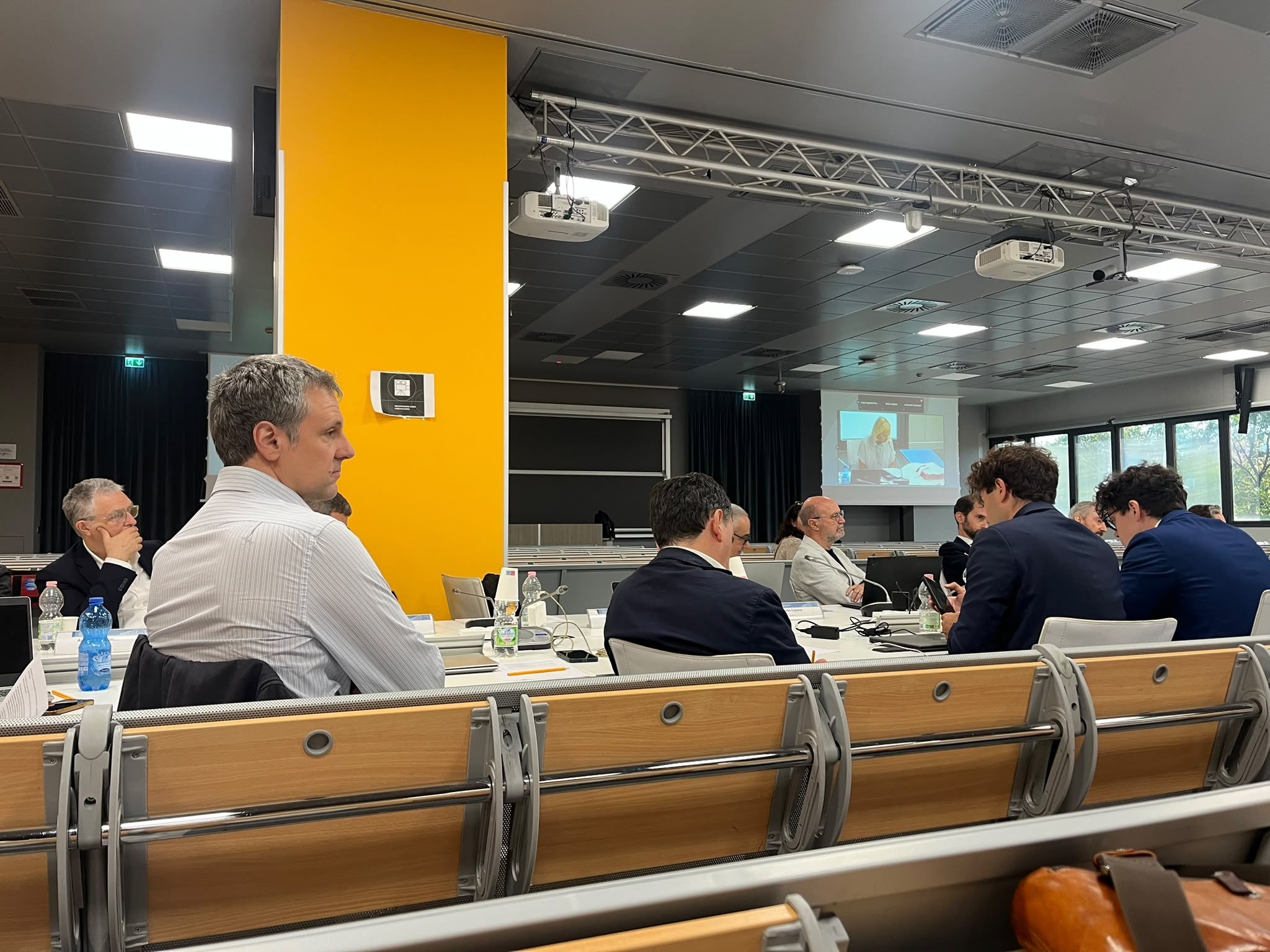
Ecco la trascrizione del discorso tenuto da Pise durante l'ultima seduta del Senato accademico:
"Da tempo il nostro ateneo, e molte altre realtà, si interrogano su cosa sia opportuno fare riguardo alla ricerca scientifica che si conduce. Il motivo è che ci troviamo in un contesto geopolitico in cui vengono minate e svilite alcune delle esigenze più profonde dell'uomo, in questo caso il desiderio di giustizia, di verità. È da qui che nasce il ripudio della guerra, e il desiderio di contribuire a costruire la pace nei luoghi dove sembra prevalere la legge del più forte.
A questo punto io e i miei colleghi rappresentanti di Lista Aperta, riteniamo giusto e doveroso ringraziare i proponenti della mozione portata in questo consesso a luglio 2025, poiché hanno dato a tutti noi, e in particolare alla governance della nostra università, l'occasione di chiedersi cosa si stesse già facendo per cogliere le opportunità e arginare i rischi di natura etica che la ricerca condotta in questo ateneo si porta dietro.
Papa Leone XIV nell’enciclica “Magnifica Humanitas” sottolinea come sia reale il rischio che “la tecnica, separata dall’etica e dalla responsabilità, renda più rapida e impersonale la decisione sulla vita e sulla morte, e presenti il ricorso alla forza come opzione immediata e praticabile”.
Oggi però il momento di provocare è passato. La nostra università ha agito, mettendo in campo numerosi strumenti tra cui l’istituzione di un delegato della rettrice per il dual use, la definizione delle “Linee Guida su sicurezza, integrità e potenziale duplice uso della ricerca” (cui è abbinata una Checklist DU, attualmente in sperimentazione in tre Dipartimenti); l’organizzazione di seminari e corsi per i ricercatori…
Il tema che si vuole affrontare è complesso e, a nostro avviso, per non tradire il (nostro) desiderio di verità (totale), occorre considerare tutti i valori che sono in gioco:
• Il valore della libertà della ricerca, intesa come conoscenza, come amore per il sapere, che Papa Leone XIV nel messaggio all’Università Cattolica del Sacro Cuore dello scorso aprile definisce come "moto ben preciso dell'animo umano, ancor prima di un'applicazione dell'intelligenza". Il Papa racconta di come "solo un sapere aperto” può “contribuire al bene comune e superare le tante distorsioni causate da una ricerca finalizzata al solo profitto".
• Per quanto riguarda alcuni accordi specifici che hanno come oggetto la ricerca in ambito militare, assume rilievo il valore, oltre che il dovere costituzionale, di contribuire alla difesa del nostro Stato, così come il valore di contribuire ai progetti di difesa dell'Unione Europea e della NATO
• I diritti umani, il cui rispetto è indispensabile per la costruzione della pace. l’insieme dei diritti dell’uomo di fatto, come affermato da San Giovanni Paolo II nel discorso all’Assemblea generale delle Nazioni Unite, “costituiscono la sostanza della dignità dell’essere umano” (New York, 2 Ottobre 1979)
In questo scenario è altrettanto decisivo avere chiarezza sulle responsabilità lasciate al nostro ateneo, e quindi ai ricercatori, circa la salvaguardia di tutti i valori appena elencati: il Politecnico deve impegnarsi affinché venga rispettato il codice etico e di comportamento, garantendo un solido supporto a chi lavora nel mondo della ricerca, e la possibilità di confrontarsi con il comitato etico della ricerca.
Alla luce di queste considerazioni, riteniamo che l'azione più concreta su cui investire sia l’educazione del ricercatore stesso, poiché capace di affermare con certezza il vero scopo dell'università, cioè formare persone che "acquisiscano la capacità di un pensiero critico".
Riteniamo efficace qualsiasi intervento che non miri a sottrarre al ricercatore la responsabilità della propria ricerca, ma piuttosto a rafforzarne la coscienza, affinché emerga sempre più, come scopo del suo lavoro, il bene comune. In quest'ottica, un lavoro utile potrebbe essere monitorare l'efficacia delle linee guida per la sicurezza integrità e potenziale duplice uso della ricerca, restando aperti a eventuali modifiche, ma avendo chiaro fin da subito quale sia il loro scopo.
Esorto, infine, a portare avanti questo lavoro insieme: il giudizio appena espresso è il frutto di un lungo confronto con alcuni professori e direttori di dipartimento, che ci hanno aiutato a comprendere meglio il quadro generale della questione: questione che merita di essere ulteriormente approfondita. Se ciò che ci muove in questo percorso è il desiderio di giustizia e verità, sono certo che si possano intraprendere azioni concrete ed efficaci nel tempo. Abbiamo avuto modo di apprezzare la competenza e la serietà delle persone che la governance ha coinvolto in questo lavoro, e la loro apertura al confronto con noi rappresentanze studentesche. È da qui che vogliamo ripartire: continuando a portare le nostre domande e costruendo insieme un percorso che sia davvero concreto ed efficace.
🇬🇧 ENGLISH VERSION 🇬🇧
"For some time now, our university, along with many other institutions, has been asking itself what the appropriate course of action should be regarding the scientific research we conduct. The reason is that we find ourselves in a geopolitical context where some of humanity's deepest needs are being undermined and degraded—in this case, the desire for justice and truth. From this arises the repudiation of war and the desire to help build peace in places where the law of the strongest seems to prevail.
At this point, my colleagues representing Lista Aperta and I believe it is right and proper to thank the proponents of the motion brought before this assembly in July 2025, as they have given all of us, and in particular the governance of our university, the opportunity to ask ourselves what was already being done to seize the opportunities and curb the ethical risks associated with the research conducted in this university.
Pope Leo XIV, in his encyclical 'Magnifica Humanitas,' emphasizes how real the risk is that 'technology, separated from ethics and responsibility, makes decisions about life and death faster and more impersonal, and presents the use of force as an immediate and viable option.'
Today, however, the time for provocation has passed. Our university has acted by deploying numerous tools, including the appointment of a Rector's delegate for dual use, the definition of the 'Guidelines on security, integrity, and potential dual use of research' (paired with a DU Checklist, currently being tested in three Departments), and the organization of seminars and courses for researchers...
The issue we want to address is complex and, in our opinion, in order not to betray our desire for (total) truth, it is necessary to consider all the values at stake:
• The value of freedom of research, understood as knowledge, as a love for learning, which Pope Leo XIV, in his message to the Catholic University of the Sacred Heart last April, defined as a 'very specific movement of the human soul, even before an application of intelligence.' The Pope explains how 'only open knowledge' can 'contribute to the common good and overcome the many distortions caused by research aimed solely at profit.'
• Regarding certain specific agreements involving military research, the value, as well as the constitutional duty, of contributing to the defense of our State assumes importance, as does the value of contributing to the defense projects of the European Union and NATO.
• Human rights, the respect for which is indispensable for building peace. The entirety of human rights, in fact, as stated by St. John Paul II in his address to the United Nations General Assembly, 'constitute the substance of the dignity of the human being' (New York, October 2, 1979).
In this scenario, it is equally crucial to have clarity on the responsibilities left to our university, and therefore to the researchers, regarding the safeguarding of all the aforementioned values: the Polytechnic must commit itself to ensuring that the code of ethics and conduct is respected, guaranteeing solid support for those working in the world of research, and the possibility of consulting with the research ethics committee.
In light of these considerations, we believe that the most concrete action to invest in is the education of the researcher themselves, as it is capable of asserting with certainty the true purpose of the university: to form individuals who 'acquire the capacity for critical thinking.'
We consider any intervention effective that does not aim to strip the researcher of the responsibility for their own research, but rather to strengthen their conscience, so that the common good increasingly emerges as the primary purpose of their work. From this perspective, a useful effort could be to monitor the effectiveness of the guidelines on security, integrity, and potential dual use of research, remaining open to possible modifications, but being clear from the very beginning about their purpose.
Finally, I urge everyone to carry this work forward together: the judgment just expressed is the fruit of a long discussion with several professors and department heads, who have helped us better understand the general framework of the issue—an issue that deserves to be explored further. If what moves us on this path is the desire for justice and truth, I am certain that concrete and effective actions can be undertaken over time. We have had the opportunity to appreciate the competence and seriousness of the people the governance has involved in this work, and their openness to dialogue with us student representatives. It is from here that we want to restart: continuing to bring forward our questions and building together a path that is truly concrete and effective."